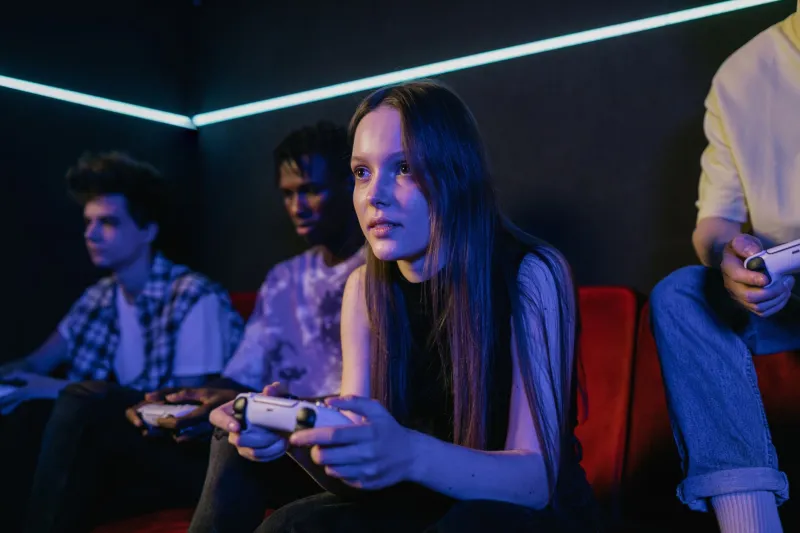
Screw the Sleep Schedule: Why Your Midnight Gaming Session Is Actually Self-Care
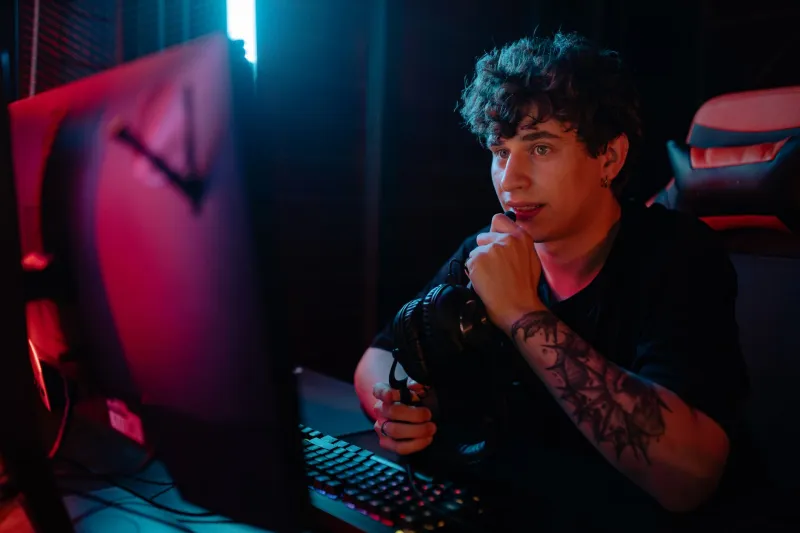
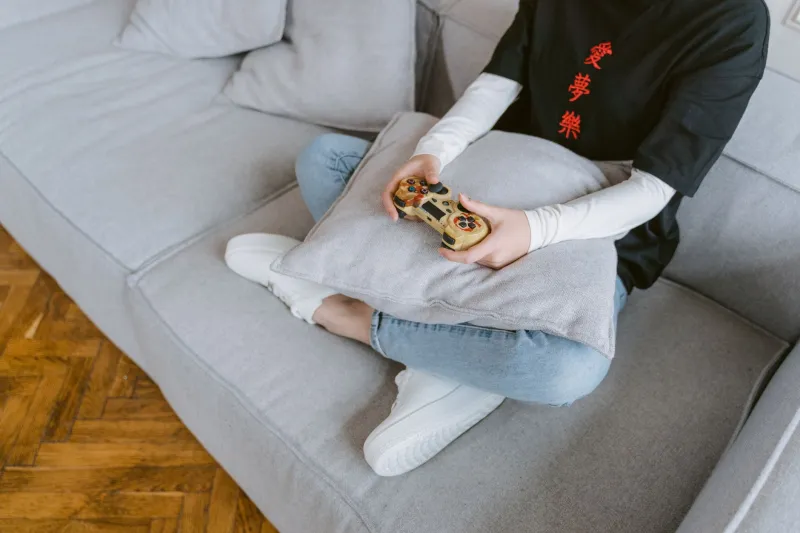
Somewhere between the cold plunge tubs and the journaling prompts, the wellness industry decided to get really, really bossy about when you're allowed to feel better. Morning pages. Golden hour walks. A consistent bedtime that would make a kindergartner proud. The whole apparatus assumes you live inside a lifestyle blog, and if your life doesn't cooperate — if you work nights, wrangle kids until 9 PM, or simply come alive somewhere around 11 — well, too bad. Go meditate anyway.
Here's the thing nobody in a linen blazer wants to tell you: gaming doesn't care what time it is. And that flexibility? That's not a bug. That's the entire point.
The Myth of the "Correct" Time to Decompress
Let's be honest about what self-care actually means in practice for most adults. It's not a spa day. It's the twenty minutes you carve out of a day that otherwise belongs entirely to someone else. It's the sliver of time between the last obligation and the moment your body finally gives up and sleeps.
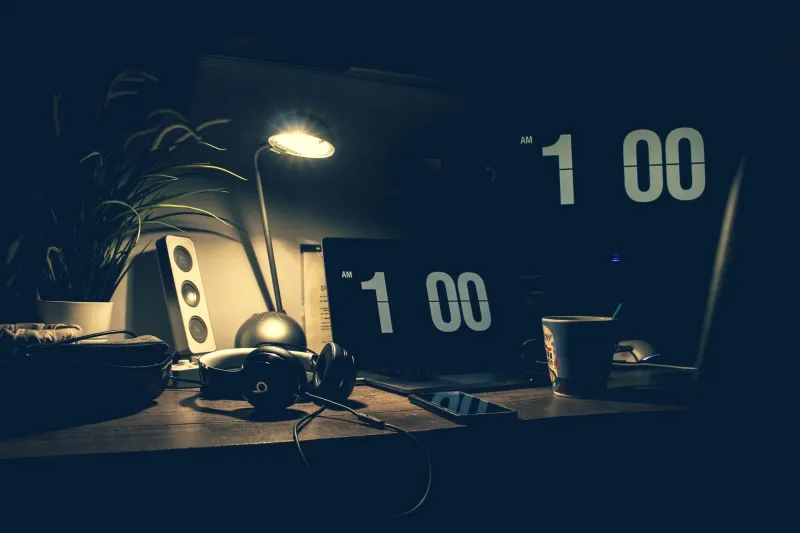
For a lot of people, that sliver lives at midnight. Or 2 AM. Or whenever the house finally goes quiet and your brain stops fielding requests from the outside world.
Traditional wellness advice treats this window like dead air — wasted time you should be using to wind down with chamomile tea and dim lighting. But for millions of adults, it's the only window. The one hour of the day that is genuinely, unambiguously yours.
Gaming fills that window better than almost anything else, precisely because it meets you where you are instead of where a wellness coach thinks you should be.
Why Irregular Play Patterns Actually Make Sense
Here's something the "build a routine" crowd glosses over: not everyone has a routine to build around. Parents of young kids know that any schedule they construct will be demolished by a fever, a nightmare, or the inexplicable toddler energy spike at 8:45 PM. Shift workers, freelancers, caregivers — their lives are structurally irregular, and no amount of habit stacking is going to change that.
Gaming is one of the few hobbies that accommodates this reality without making you feel like a failure for it. You can pick up a game at 11 PM on a Tuesday after three weeks away and it will simply be there. No class to reschedule. No gym buddy to apologize to. No yoga mat judging you from the corner.
That frictionless re-entry is genuinely underrated as a mental health feature. When your life is unpredictable, the last thing you need is a hobby with attendance requirements.
The Marathon Session Deserves a Defense
Few things get more side-eye than the gaming marathon. Six hours on a Saturday. An all-nighter during a long holiday weekend. The cultural assumption is that this is obviously unhealthy — a sign of avoidance, addiction, or at minimum a spectacular waste of time.
But consider what a marathon session actually involves. You're problem-solving continuously. You're in a state of sustained focus that psychologists would recognize as flow — that deeply satisfying mental zone where challenge and skill are perfectly matched and the rest of the world disappears. Athletes chase it. Artists chase it. Surgeons experience it in the OR. Gamers stumble into it on a random Friday night and then get asked if they have a problem.
The marathon session, done on your own terms, is often less about escape and more about finally, finally getting enough of something that your regular schedule only doles out in frustratingly small doses. Completion. Mastery. Uninterrupted engagement with something you actually enjoy. These aren't symptoms of dysfunction. They're signs that your brain found what it was looking for.
Gaming Adapts to Your Life, Not the Other Way Around
This is the part that distinguishes gaming from most other wellness-adjacent hobbies, and it doesn't get said enough.
Running is great — unless it's raining, or your knees are shot, or you live somewhere that gets dark at 4:30 PM in November. Cooking elaborate healthy meals is wonderful — until you've worked a ten-hour day and the idea of chopping anything makes you want to lie on the floor. Even reading, that most portable of hobbies, requires a cognitive bandwidth that simply isn't always available at the end of a brutal week.
Gaming has a mode for every version of you. Burned out and barely functional? There's a cozy farming sim for that. Wired and restless at 1 AM with nowhere to put your energy? Competitive multiplayer would like a word. Sad in a way you can't quite name? Some story-driven RPG will hand you a fictional world to get lost in until the feeling passes.
The hobby reshapes itself around your actual state of mind, which is exactly what good self-care is supposed to do.
The Guilt Is the Only Thing That Needs to Go
Here's the real issue. It's not the 3 AM session. It's not the marathon. It's the thirty minutes of low-key shame you experience afterward, the internal monologue about productivity and wasted time and whether you're an adult who has their life together.
That guilt is doing zero work for you. It's not making you healthier. It's not improving your sleep or your relationships or your sense of purpose. It's just taking a thing that genuinely helped you and stapling a receipt to it.
The wellness industry profits from convincing you that relaxation has a right and wrong way to happen. Gaming, in its chaotic, schedule-indifferent, works-at-any-hour glory, is a direct challenge to that premise. It refuses to be optimized. It doesn't care about your morning routine. It's available at 3 AM on a Wednesday with zero judgment, which is more than you can say for your spin class.
Play When You Can, Not When You're Supposed To
At BiuACG, we're not here to tell you gaming is a miracle cure or that you should skip sleep in favor of another raid. Sleep is good. Hydration is good. Getting outside occasionally remains a reasonable suggestion.
But we are here to say this: the version of self-care that actually works is the one that fits inside your real life. Not your aspirational life. Not the life where you wake up at 6 AM energized and purposeful. The actual one, with its weird hours and unpredictable stressors and that specific Tuesday where everything went sideways and you needed two hours with a controller to feel human again.
That 3 AM session? It counts. Log off when you're ready, not when someone else's wellness calendar tells you to.