Fifteen Dollars, Forever: How Cheap Indie Games Quietly Won Your Steam Library
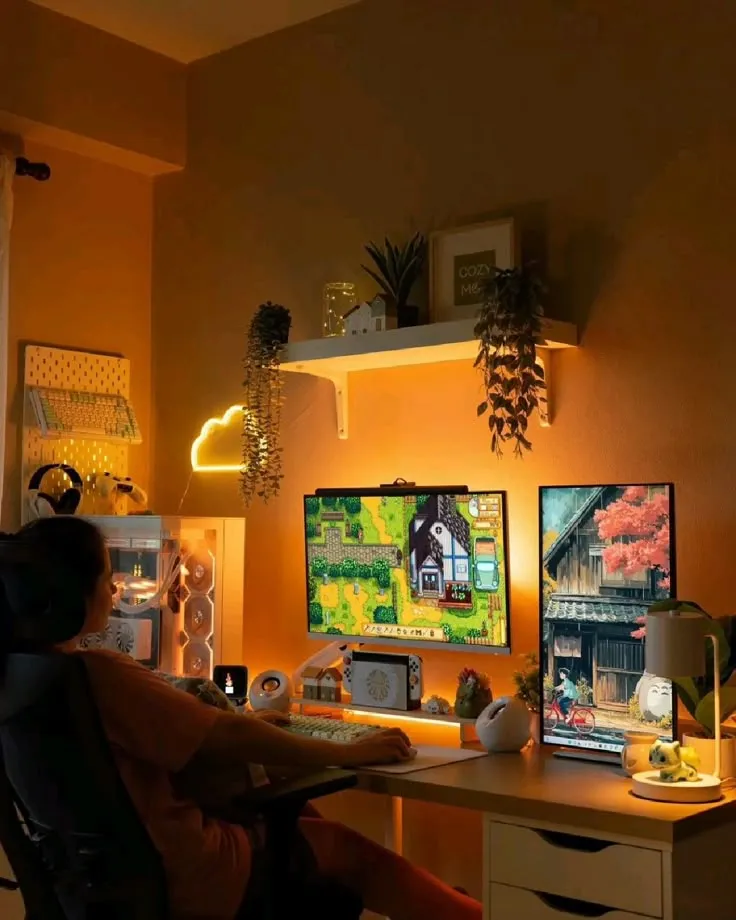
Photo: cozy indie game on laptop warm lighting night desk setup, via i.pinimg.com
Let's do some quick math on your actual gaming life. That $70 AAA title you preordered with the collector's energy of a person who definitely didn't need the steelbook — how many hours did you actually put in? Be honest. Now compare it to that $15 indie you bought on a whim because a Twitter screenshot looked cozy. The one you're still playing eight months later, whose soundtrack is in your gym playlist.
Yeah. Us too.
Across the US, a quiet shift has happened in how gamers spend: the big-budget hype machine still wins launch week, but small, affordable games keep winning everything after that. Call it stealth wealth gaming — the unglamorous $15 purchase that quietly outlasts the blockbuster.
The Hype Cycle Is a Lie We Keep Buying
The AAA release calendar is a spectacle. Trailers drop at the Game Awards, preorders open, discourse rages, launch week breaks records — and then, roughly three weeks later, the player counts crater and the discourse moves on to the next one. It's not that these games are bad. Many are great! It's that they're built for a moment, and moments expire.
Indie hits run a completely different race. Vampire Survivors cost less than a pizza and became a lifestyle. Stardew Valley — built by one guy — is a permanent fixture on Steam's most-played charts nearly a decade later. Hades, Hollow Knight, Balatro: none of these needed a midnight launch. They just needed one friend telling another friend, "Dude, it's fourteen bucks."
That sentence — "it's fourteen bucks" — might be the most powerful marketing phrase in gaming, and no marketing budget can buy it.
Wait-for-a-Sale Culture: The American Gamer's National Pastime
US players have developed a finely tuned instinct: never pay full price for the big stuff. We have wishlists longer than our grocery lists. We wait for the Steam Summer Sale like it's Black Friday's cooler, more reasonable cousin. $70 games get flagged as "wishlist — wait."
But here's the funny part: the same person who won't touch a $70 AAA title until it's 50% off will drop $15 on an indie at full price, day one without blinking. Why? Because the mental math is different. At $15, a game only needs to be mildly good to feel like a win. The risk is a coffee run. The reward, occasionally, is hundreds of hours.
Economists call this asymmetric upside. Gamers call it "just try it, it's cheap."
Why the Little Ones Keep Winning
A few reasons the affordable stuff dominates real playtime:
- They respect your schedule. A great indie is often built in snackable loops — one more run, one more day on the farm, one more round. That fits an adult life with a job, kids, and a group chat to ignore.
- They're weird on purpose. Freed from needing to sell 10 million copies, indie devs make games about being a lighthouse keeper, a duck, a deck of cards with feelings. Weird is memorable. Focus-tested is not.
- They stay. No live-service treadmill, no battle pass FOMO, no feeling that you're falling behind if you skip a week. You can leave for six months and the game will still like you when you come back.
- Community does the marketing. Small games live or die on word of mouth, which means the ones that succeed are the ones your friends genuinely, non-sponsoredly love.
The Smartest Buy in an Expensive Hobby
Gaming has gotten expensive — hardware, subscriptions, $70 tags that creep toward $80. In that climate, the $15 indie isn't just a bargain; it's a strategy. Buy three indies for the price of one blockbuster and you've diversified a portfolio that was previously all-in on one launch-week gamble.
And honestly, it's better for your head, too. No hype hangover. No defending your preorder online. No finishing a 60-hour game out of sunk-cost obligation. Just a small thing you bought because it looked fun, and it turned out to be fun, and nobody needs to know you've named all your chickens.
The blockbuster will always get the Super Bowl ad. But your Steam replay page? That's indie country. Fifteen dollars, forever.